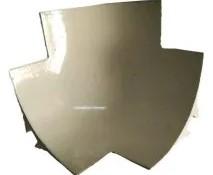

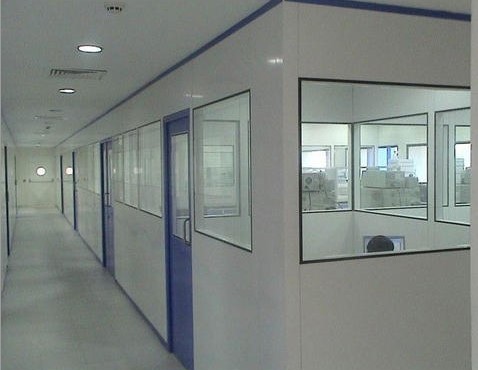
CLEAN ROOM MODULAR PARTITION
Clean room modular partitions is a system of prefabricated modular panels used to create controlled environments that limit dust, bacteria, and contamination. It is commonly used in pharmaceutical, laboratory, and electronics industries.
Benefits & Applications
- Contamination Control: Primary function is to block external pollutants, crucial for product quality and safety.
- Flexibility: Easily installed, reconfigured, or relocated, minimizing downtime.
- Applications: Used in pharma labs, biotech, electronics, food processing, and research facilities.
CLEAN ROOM CELLING PANEL
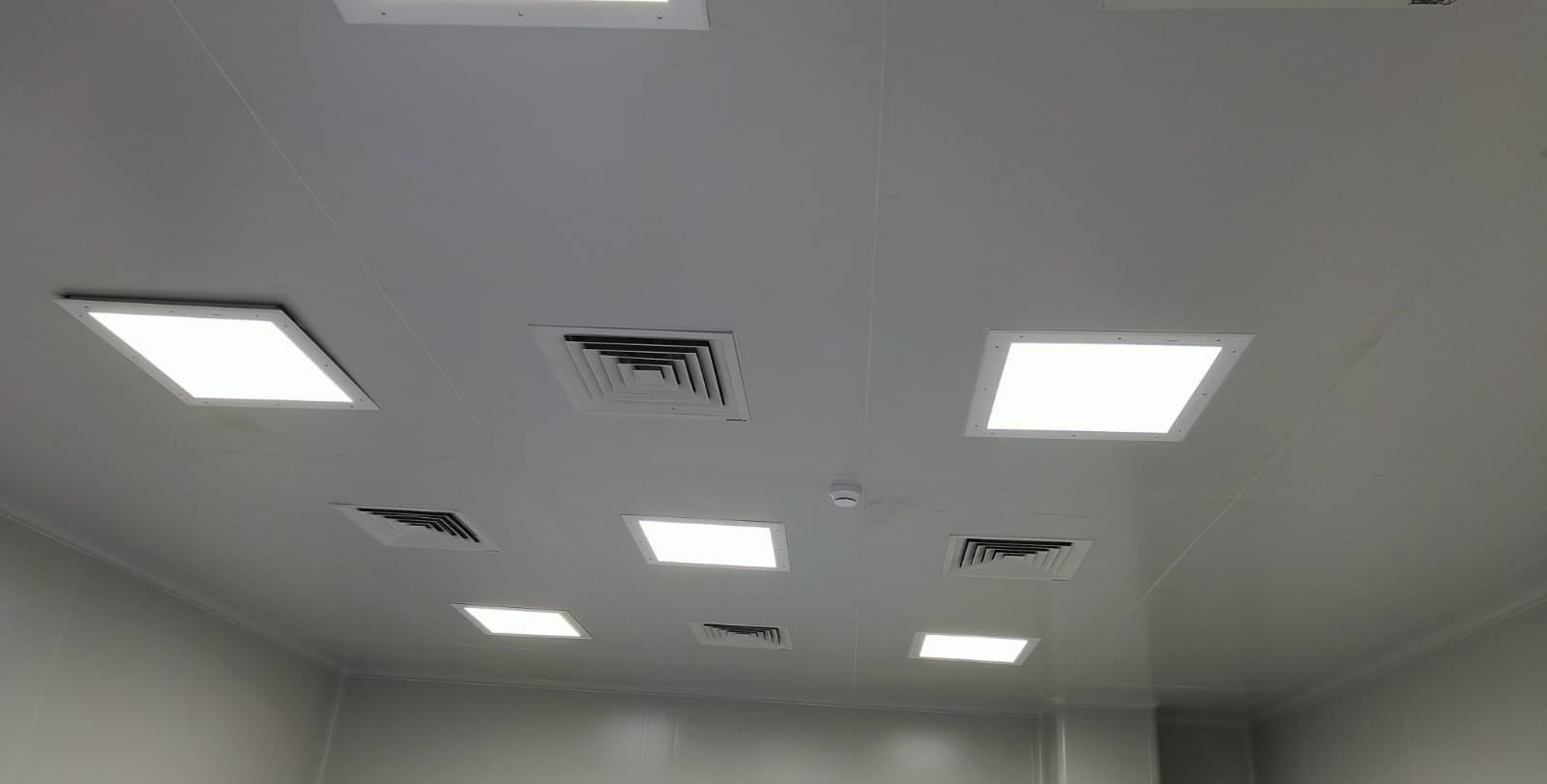
Cleanroom ceiling panels is a specially designed modular panel used in controlled environments to maintain air purity and prevent contamination. It is made of smooth, non-porous materials and supports lighting, filters, and HVAC systems in industries like pharma and labs.
Benefits & Applications
- Contamination Control: Provides a non-shedding, impervious barrier that prevents particles and microbes from entering the clean environment.
- Airtight & Sealed:The tongue-and-groove joint system, often paired with silicone sealant, creates an airtight, flush-mounted, non-shedding ceiling that prevents leaks.
- Easy to Clean & Maintain:The smooth, non-porous, and chemically resistant surface allows for aggressive, repeated decontamination, ensuring high hygiene standards.
- Modular & Quick Installation:These pre-engineered panels can be quickly installed and, in many cases, reconfigured or moved, reducing downtime and construction costs.
CLEAN ROOM DOORS
Cleanroom doors are specially designed airtight doors used in clean room environments to prevent contamination, control air pressure, and maintain cleanliness levels. They are made from smooth, non-porous materials and are commonly used in pharmaceutical, laboratory, and electronics industries.
Benefits & Applications
- Contamination Control: Creates airtight barriers with gaskets and seals, preventing dust, microbes, chemicals, and allergens from entering, critical for industries like microchip and pharmaceutical manufacturing.
- Air Pressure Management: Helps maintain specific air pressure levels (positive or negative) between zones, ensuring controlled airflow for different cleanliness requirements.
- Enhanced Hygiene:Smooth surfaces and minimal crevices prevent dirt and bacteria buildup, allowing for easy cleaning and disinfection, supporting strict hygiene standards.
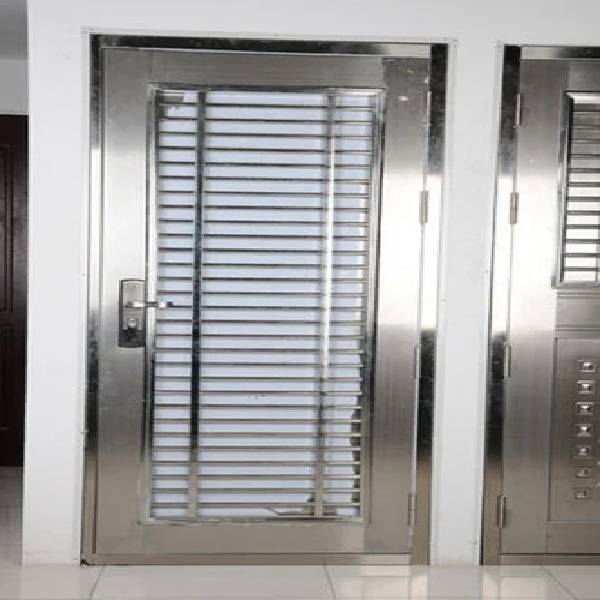
SS DOORS
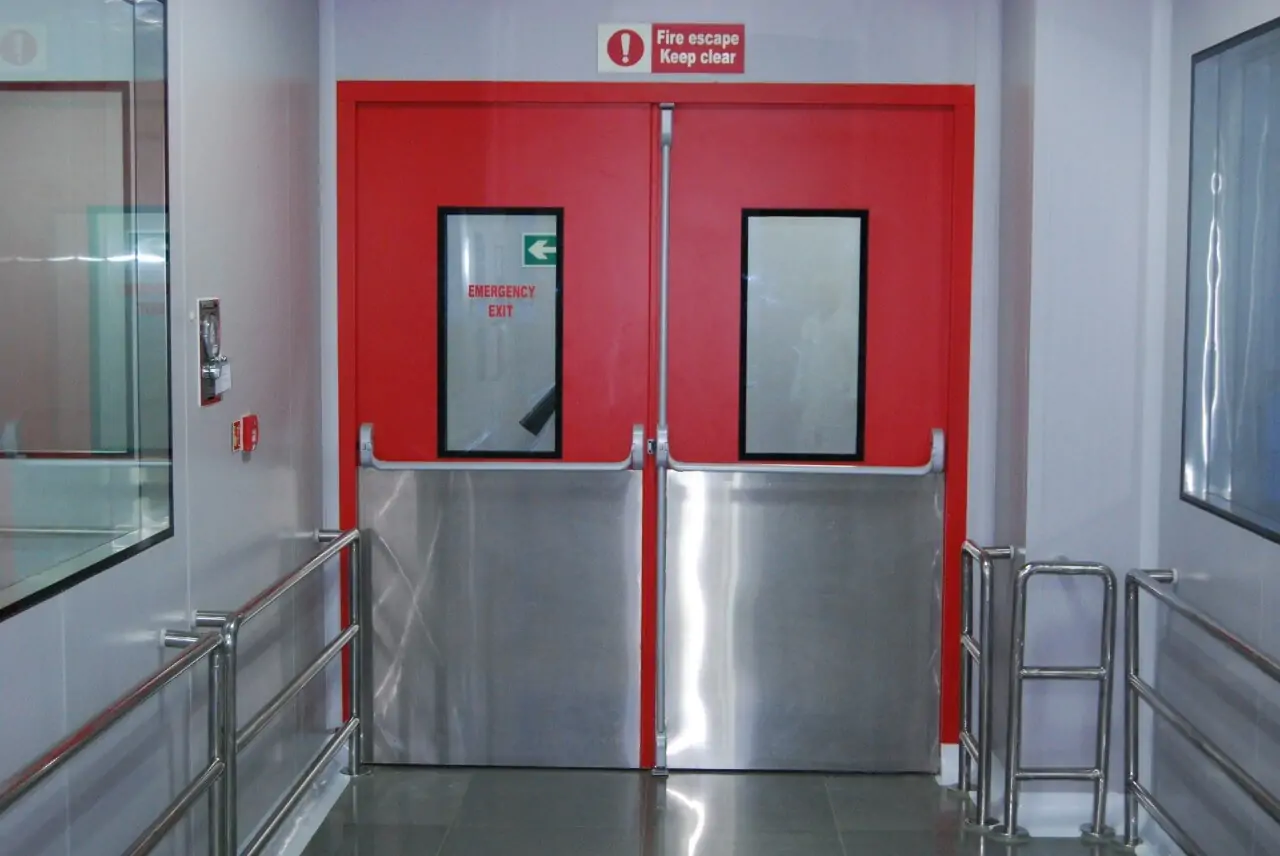
SS (Stainless Steel) doors are durable, corrosion-resistant doors used in clean rooms, hospitals, and pharmaceutical industries. They are easy to clean, hygienic, and resistant to moisture, chemicals, and bacteria, making them ideal for controlled and sterile environments.
Benefits & Applications
- Unmatched Security: Extremely strong, resistant to impact, drills, and break-ins, often paired with advanced locking systems for maximum protection.
- Exceptional Durability:Highly resistant to corrosion, rust, harsh weather, and warping, ensuring a long lifespan with minimal repairs.
- Low Maintenance:Don't require frequent painting, staining, or sealing; simple cleaning keeps them looking new.
- Fire Resistance: Many are fire-rated, helping to slow the spread of fire and protect Occupant.
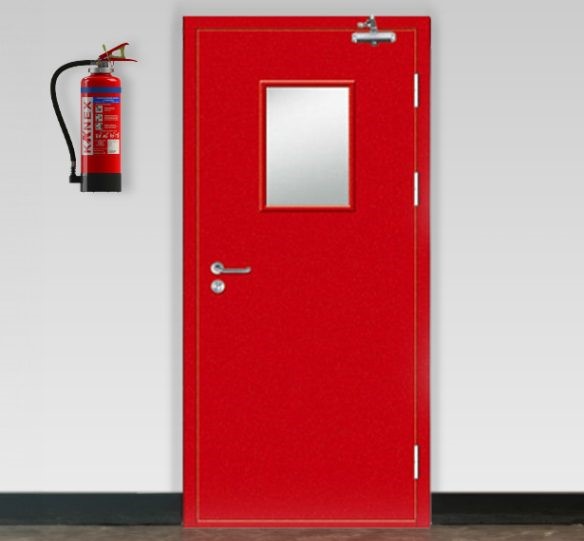
FIRE RATED DOORS
Fire-rated doors are specially designed doors that can resist fire and heat for a specific period (like 30, 60, 90, or 120 minutes). They help prevent the spread of fire and smoke, ensuring safe evacuation and protecting property in buildings, factories, and clean room facilities.
Benefits & Applications
- Property Protection: Limits structural damage and protects valuable assets, minimizing financial losses.
- Legal Compliance: Required by building codes (like NBC, NFPA) for specific locations, avoiding penalties.
- Sound Insulation: Thick, resistant materials also reduce noise transmission, offering quieter spaces.
- Enhanced Security: Can be integrated with attack-resistant glazing for added protection against forced entry.
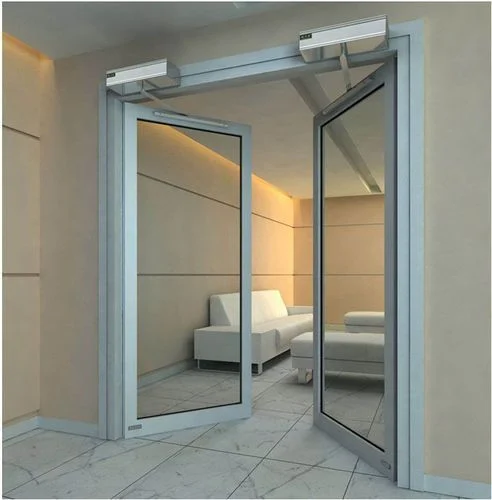
SWING DOORS
A swing door are doors that open in one or both directions on hinges. They are commonly used in clean rooms, hospitals, and industrial areas for smooth and quick movement. These doors ensure easy access, hygiene, and efficient workflow in controlled environments.
Benefits & Applications
- Ease of Use & Operation: Simple hinge mechanism, push/pull motion, and options for automatic openers for better accessibility.
- Versatility & Aesthetics:Classic look with modern material options (wood, aluminum, glass) to match any decor, acting as focal points.
- Durability & Low Maintenance: Fewer moving parts (no tracks/rollers) mean simpler maintenance and long life, especially with heavy-duty hinges.
- Energy Efficiency: Create better seals, reducing heat/cooling loss and blocking dust/noise between rooms.
VIEW PANNEL
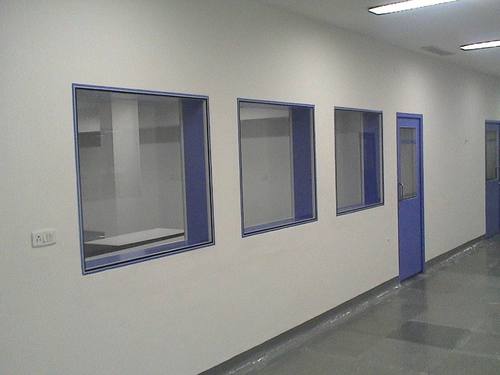
A "view panel" is a transparent glass panel installed in clean room walls or doors to allow visibility between rooms without opening the door. It helps maintain cleanliness, safety, and monitoring while preventing contamination and air pressure loss.
Benefits & Applications
- Survey Participation: Earn points for completing surveys on various topics, with rewards varying based on survey length, complexity, and demographic relevance.
- Low Redemption Threshold: The threshold for cashing out is low—around 500 points in India (or 350 in some regions), which can be reached in just 2-3 surveys.
- Higher Redemption Value: Accumulating more points before redeeming can yield better returns. For instance, redeeming 5000 points provides a higher value proportionally than 350 points.
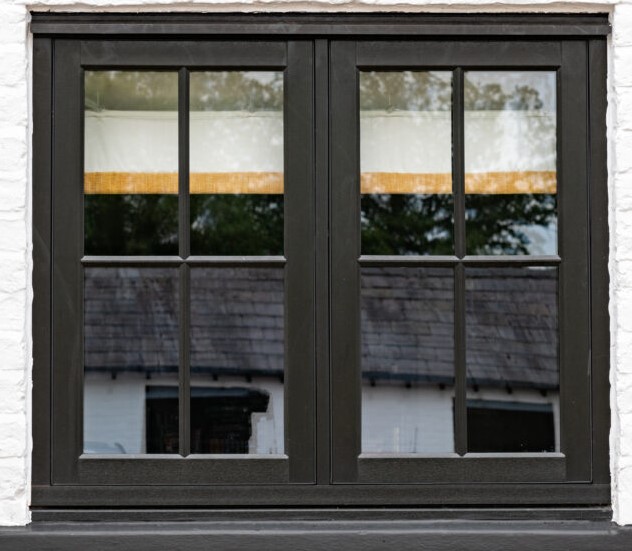
FLUSH WINDOW
A Flush Window has is a clean room window designed to be level (flush) with the wall surface on both sides, so dust and particles do not accumulate. It is made with double glass and sealed edges to maintain cleanliness, air pressure, and visibility in clean room environments.
Benefits & Applications
- Aesthetics & Versatility: Primary function is to block external pollutants, crucial for product quality and safety.
- Energy Efficiency: Easily installed, reconfigured, or relocated, minimizing downtime.
- Enhanced Security: Used in pharma labs, biotech, electronics, food processing, and research facilities.
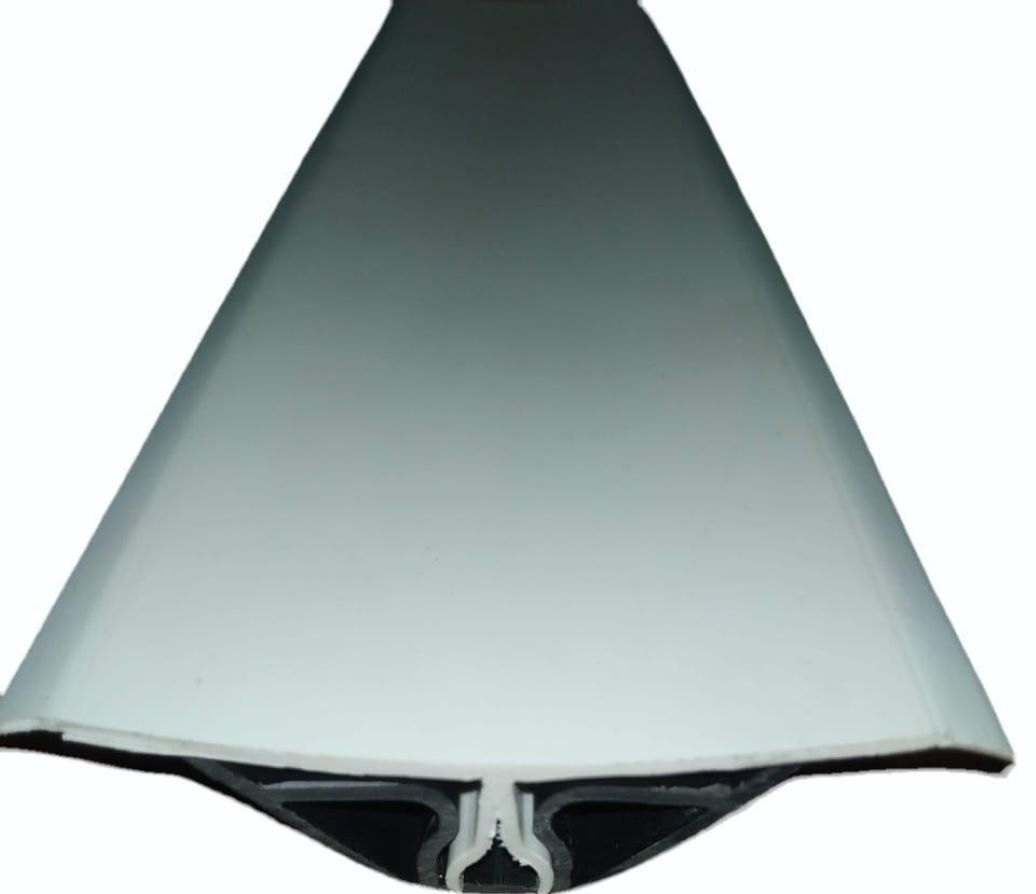
PVC COVING
PVC coving is is a curved PVC profile installed between wall and floor corners in clean rooms. It eliminates sharp corners, prevents dust accumulation, and makes cleaning easy. It helps maintain hygiene, smooth finishing, and contamination control in clean room environments.
Key Features & Benefits
- Hygienic: Primary function is to block external pollutants, crucial for product quality and safety.
- Waterproof: Easily installed, reconfigured, or relocated, minimizing downtime.
- Durable & Chemical Resistant: Used in pharma labs, biotech, electronics, food processing, and research facilities.
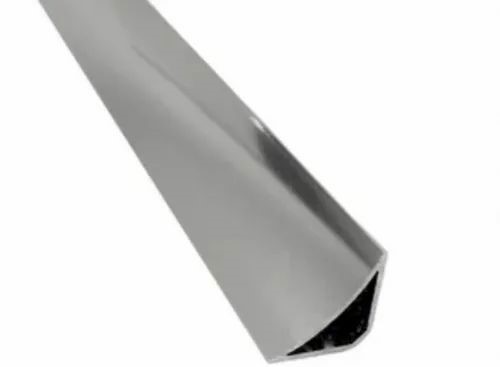
ALUMINIUM COVING
Aluminum coving is a curved aluminium profile installed at wall-to-floor or wall-to-wa ll corners in clean rooms. It removes sharp edges, prevents dust buildup, and allows easy cleaning, helping maintain hygiene and contamination control in controlled environments.
Key Characteristics & Features:
- Material: Primary function is to block external pollutants, crucial for product quality and safety.
- Design: Easily installed, reconfigured, or relocated, minimizing downtime.
- Finish: Used in pharma labs, biotech, electronics, food processing, and research facilities.
- Hygiene: Used in pharma labs, biotech, electronics, food processing, and research facilities.
- Durability: Used in pharma labs, biotech, electronics, food processing, and research facilities.
2D CORNER
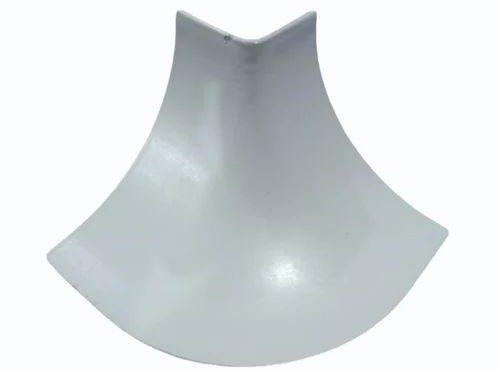
IN geometry and design, a 2D corner (or vertex) is the specific point where two straight edges (sides) of a flat, two-dimensional shape meet. It defines the intersection of two lines and determines the angle of that corner.
2D Corner Benefits" refers to advantages in design, construction, and data, offering better light/ventilation in homes, cost-effectiveness and clarity in floor plans, enhanced data storage in barcodes, and efficiency in simulations, while physical 2D corner pieces provide structural integrity, hygiene, and a clean finish in modular systems like cold rooms
3D CORNER
A 3D corner (or vertex) describes the point where three or more edges of a 3D shape meet, defining its spatial structure, like the sharp points on a cube or pyramid. In architectural contexts, 3D corner coving refers to pronounced, rounded transitions between walls and floors/ceilings, offering hygienic, smooth surfaces that prevent particle buildup, unlike simple 2D curves.
3D Corner (3dcorner.co) provides 3D visualization, modeling, and animation services, offering several key benefits for product, furniture, and architectural industries. Their services enhance marketing, improve communication with stakeholders, and facilitate cost-effective development.